Why Annual Chimney Inspections Matter
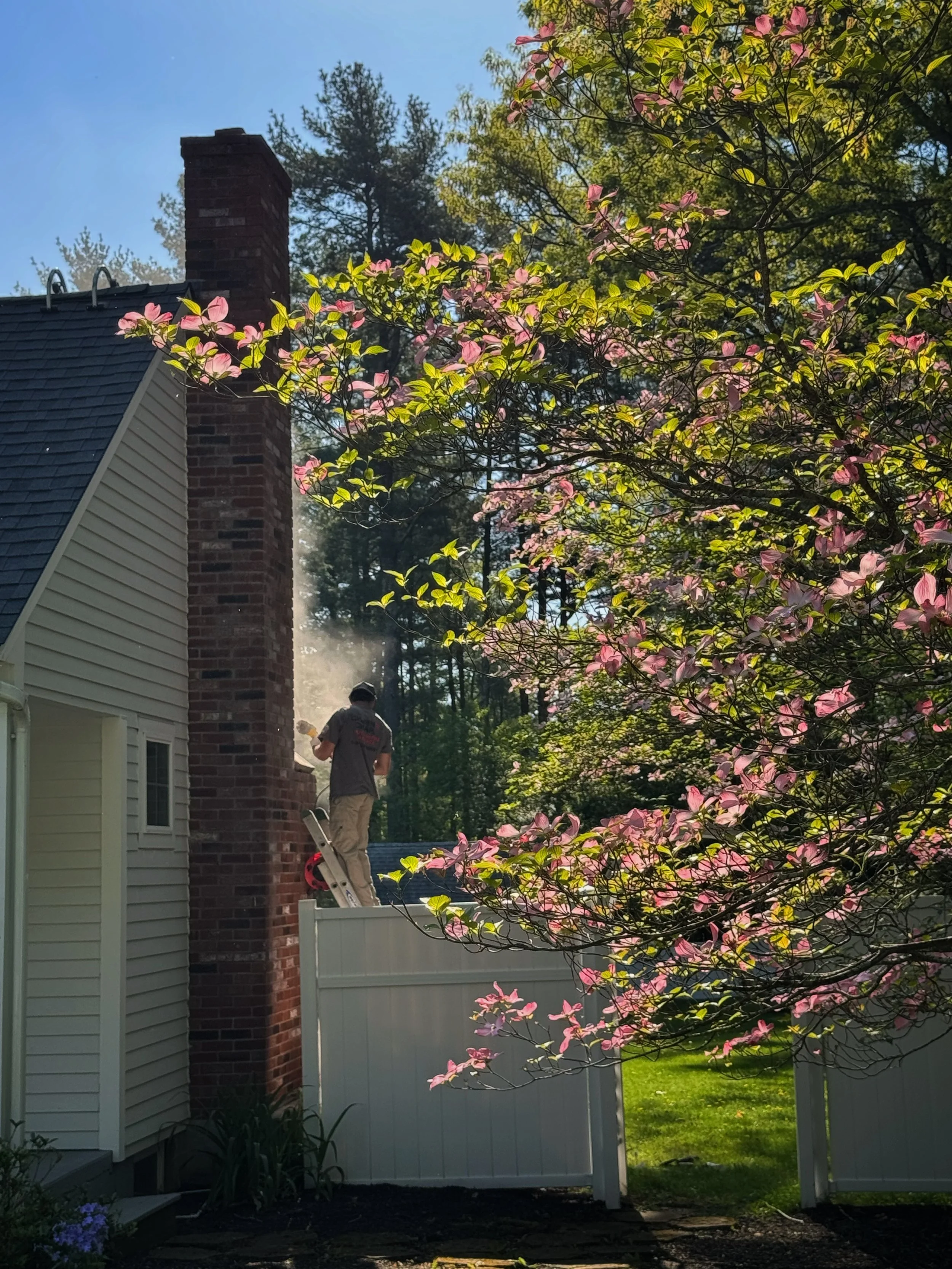
For the 18 years we've owned our home, our wood-burning fireplace has been more of a Christmas decoration than a heat source. Most years, we light a fire on Christmas Eve, and that’s it. For years, I've been telling my husband that something isn’t right. Every time we use the fireplace, it makes a mess.
We had a chimney inspection after we moved in, and everything checked out. If we're using the fireplace only once a year, why would we need an annual chimney inspection?
What We Learned
This spring, we had a Level 3 chimney inspection performed (Joe finally caved after listening to me complain for years).
The camera inspection revealed cracks inside the flue, and carbon monoxide and combustion gases were not venting properly, allowing them to leak into our house. For those reasons, we shouldn't have been using the fireplace.
The recommended repair was a new liner and related work.
Estimated cost: $6,000.
Get Multiple Quotes
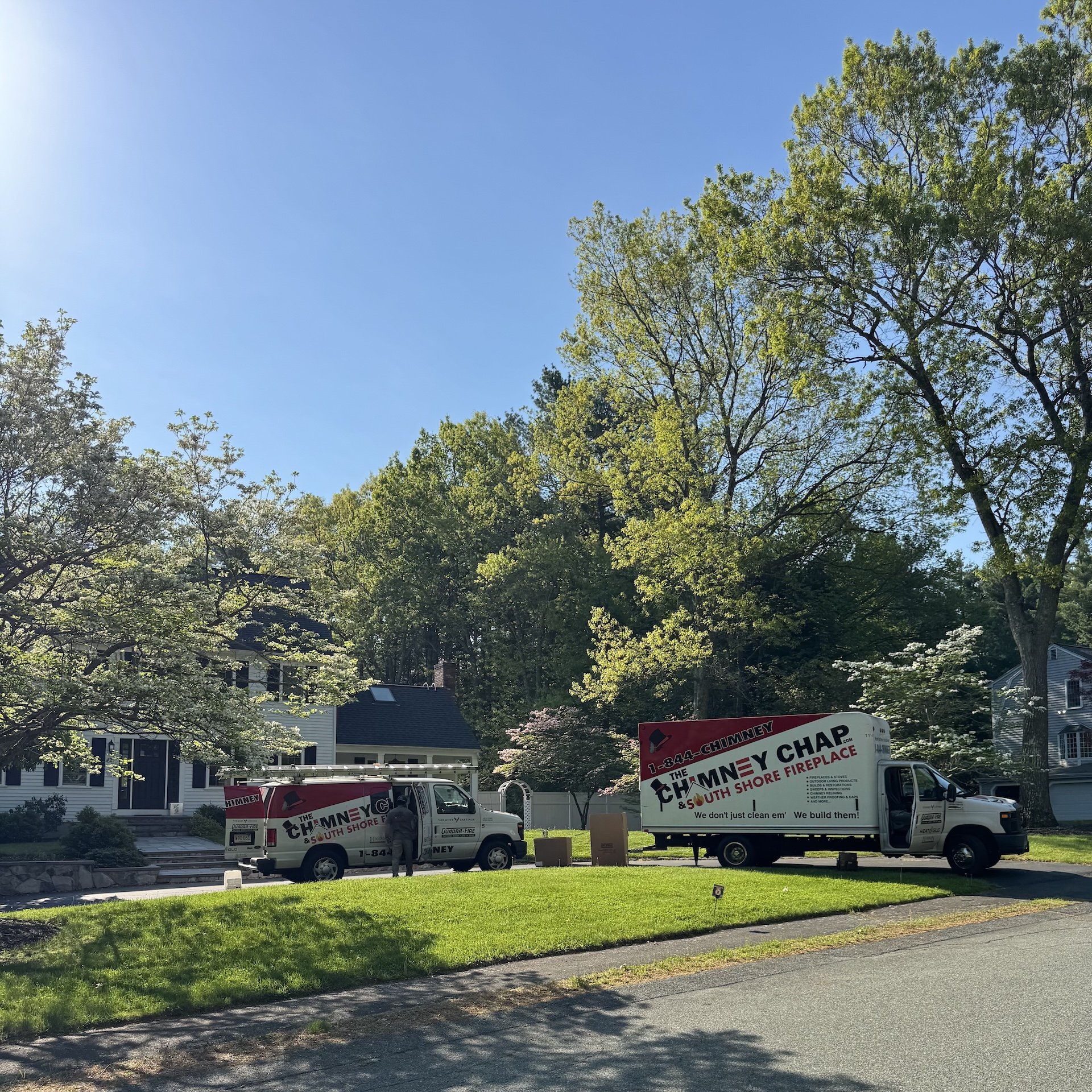
One contractor, highly recommended by someone my husband knew, offered to do the work for much less. Before moving forward, I asked whether he held a Chimney Safety Institute of America (CSIA) certification, the industry's nationally recognized credential.
When I asked for proof of certification, he stopped replying; I assume he didn’t have it.
A third quote came in at $9,000, which underscores the importance of gathering multiple estimates before making a decision.
Ultimately, we hired Chimney Chap, a certified company that offers a lifetime warranty on its liners. One catch, though, is that the warranty requires annual inspections and maintenance.
And yes, we'll absolutely be doing that.
The Surprising Part
Even if you never light a fire, your chimney is still venting your oil - or gas-heating system. Here is a 2-minute YouTube video worth watching explaining how the system works and the importance of a yearly inspection.
The Chimney Chap technician shared several stories with me about people who never had their Chimneys inspected and the issues they were left with, but one stood out. He recently worked on a home where a venting problem caused significant soot to back up into the house. The damage was so severe that the interior of the house turned black from soot, and the entire house had to be gutted.
What happens inside a chimney isn't visible until there's a serious problem.
What This Means for Home Buyers and Sellers
One of the most common things sellers say is:
"We've never used the fireplace."
While that may sound reassuring, it doesn't tell us what's happening inside the chimney.
Buyers can order a Level 2 chimney inspection during their inspection period. This is separate from a standard home inspection and is performed by a chimney professional using specialized equipment.
If you're considering this type of inspection, it's best to coordinate it during your home inspection, as a typical home inspection and chimney inspection both take about 2 hours.
In all my years in real estate, a buyer has never requested a chimney inspection, but you have the right to do so, and the cost is on the buyer, not the seller. If you don't get one done during your inspection, you should have it done after you move in, like Joe and I did.
Sellers, buyers feel more confident making a strong offer on a house that is clearly taken care of. If they know you have had a chimney inspection done yearly, it shows how you have cared for the rest of the home. If you don't do yearly inspections before listing, you can have a level 2 inspection done, which costs between $500 - $600. They use a camera up the chimney to look for cracks or breaks in a liner, then do a full video scan of up to 2 flues and a sweep. You will have paperwork showing that the inspection was completed for all the buyers touring your house, which helps them make a strong offer knowing they won't have to deal with that expense once they move in.
A Few More Lessons:
Follow Up on Permits
Whenever work on your home requires a town permit, make sure it is closed out properly. Many homeowners assume that once work on the house is completed, everything is finalized. Not necessarily. Contractors and municipalities are busy. Sometimes permits remain open even after the work has been completed.
I've seen open permits cause headaches during real estate transactions because they often don't surface until a property is about to close, leaving the seller scrambling to get the permit closed.
After our chimney work was completed, I checked with the town a few weeks later to confirm that the permit had been closed. Keep copies of your signed permits and verify that the permit has been officially closed with the town.
Don't Forget to Update Your Home Improvement List
Keep an ongoing list of improvements and repairs made to your home. This chimney project is a perfect example.
If we were ever to sell our home, a buyer would have no way of knowing that we installed a new chimney liner with a lifetime warranty. They also wouldn't know that the warranty remains valid only if annual inspections are maintained.
That's valuable information that could easily be lost over time if it isn't documented. It helps both the buyer and the seller, again showing you have cared for the house, which equates to a stronger offer.
Whether it's a new roof, heating system, basement project, chimney liner, or major appliance, keep a running list of updates, save copies of permits and warranties, and store them somewhere you'll be able to find them years from now. I use Dropbox.
Not only will it help you stay organized as a homeowner, but it can also become a valuable resource for future buyers when it's time to sell.
Joe saved us $1,000 By Doing Some of the Work
The company was charging $1,000 to power wash the chimney before the work and then seal it. Joe did those 2 tasks, saving us $1,000.
Final Thought
If there's one takeaway from our experience, it's this:
Don't assume that a rarely used fireplace means a low-maintenance chimney.
Whether your chimney serves as a fireplace, an oil furnace, a gas appliance, or all three, annual inspections can identify problems before they become expensive repairs and safety hazards.
Trust me, a yearly inspection is much easier to swallow than an unexpected $6,000 repair bill. But honestly, the repair bill wasn’t what bothered me most. Learning that carbon monoxide had been leaking back into our home was far more concerning.