What Counts as Square Footage in Massachusetts? Understanding Gross Living Area (GLA)
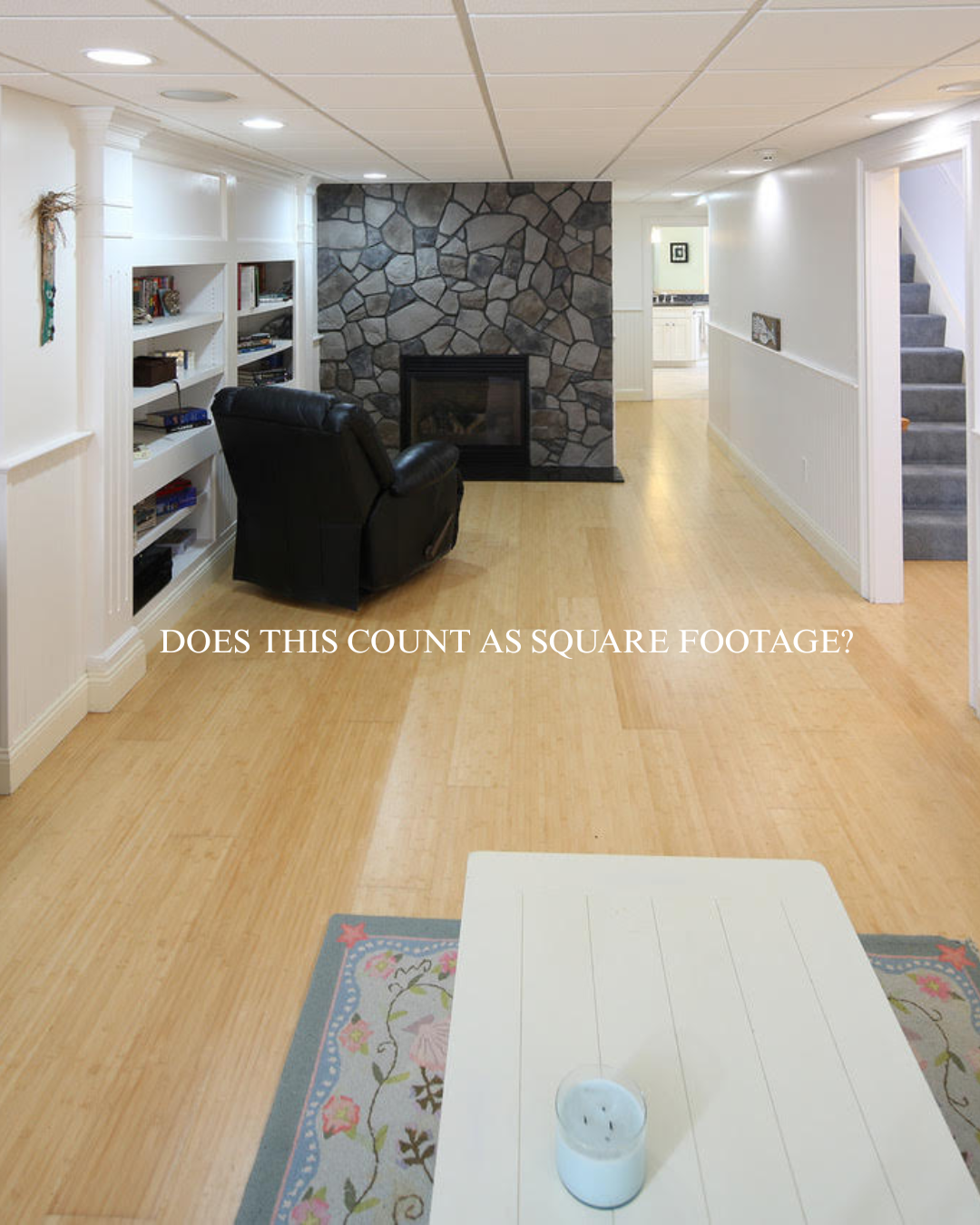
In real estate, what most people refer to as “square footage” is formally called Gross Living Area (GLA). According to Fannie Mae guidelines, GLA includes only the finished, above-grade living space of a home, measured from the exterior dimensions.
This means:
Basements do not count toward GLA
Garages do not count toward GLA
Even partially above-grade or walkout basements are still considered below grade
This distinction is especially important in Massachusetts, where many homes feature finished basements, raised ranch layouts, and walkout lower levels.
Above Grade vs. Below Grade: Why It Matters
While below-grade spaces are often beautifully finished and highly functional, they are valued differently than above-grade living areas.
When comparing homes, it’s essential to evaluate:
Above-grade square footage against other above-grade spaces
Below-grade finished areas separately
For example:
Home A
2,000 sq ft above grade
2,000 sq ft finished basement
Home B
3,000 sq ft entirely above grade
In many Massachusetts MLS listings, Home A may appear as 4,000 total square feet, with a designation that a portion is finished basement space.
At first glance, this can make Home A seem significantly larger. However, Home B may command a higher value, because above-grade living space is typically more desirable and carries greater weight in pricing.
How This Applies in the Massachusetts Market
In our local market, finished basements are extremely common and can add meaningful lifestyle value, including:
additional living space
guest areas
home offices or gyms
However, from an appraisal and resale perspective, they are still considered below-grade space and are not valued the same as main living levels.
Understanding this distinction helps buyers make more informed comparisons and helps sellers price their homes more accurately.
The Bottom Line
Square footage alone doesn’t tell the full story.
A home may offer significant usable space below grade, but when determining value, how and where that space exists matters.
That’s why it’s important to look beyond the total number and understand how the home is laid out, especially in a market like Massachusetts, where below-grade living space is so common.